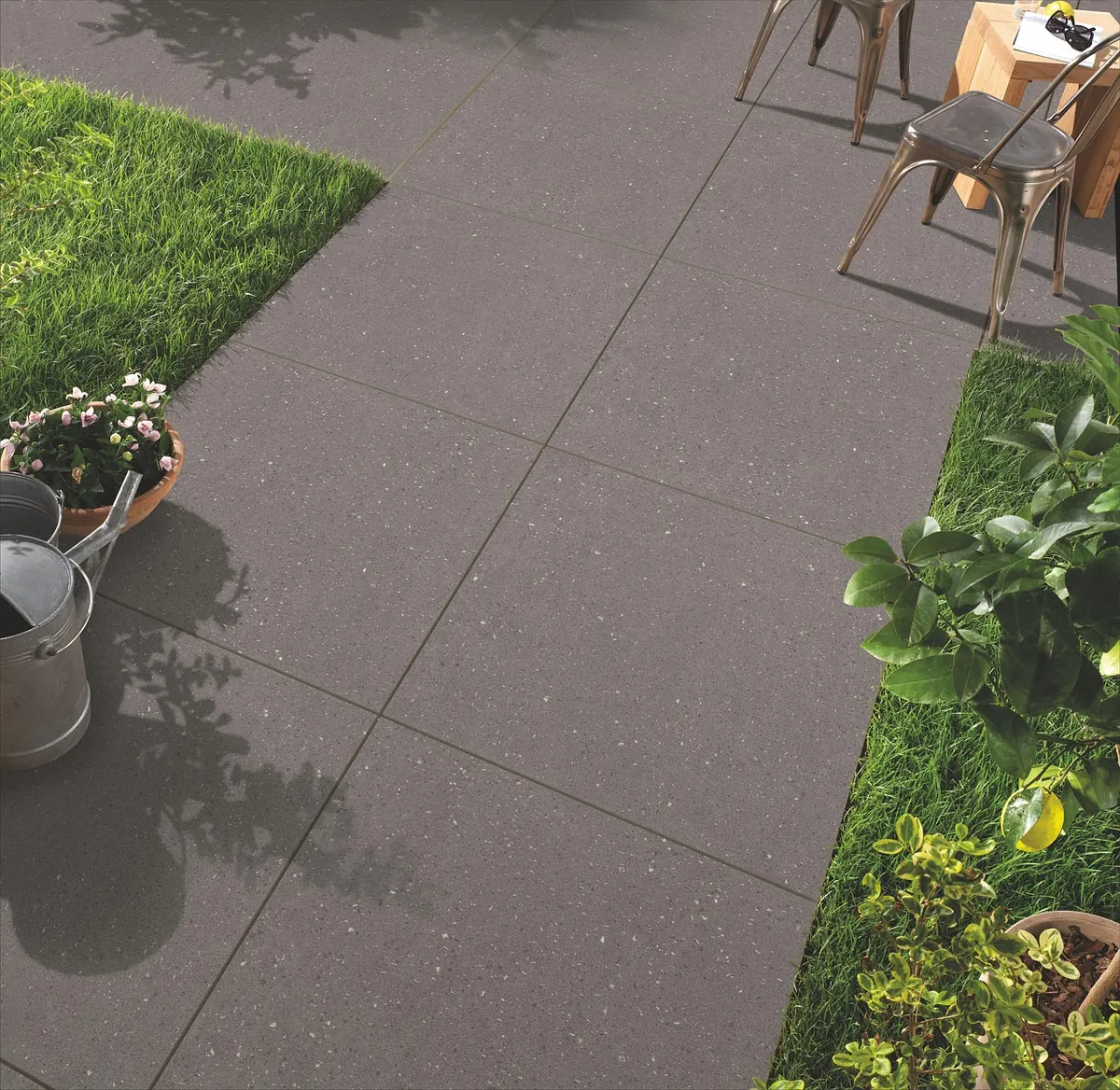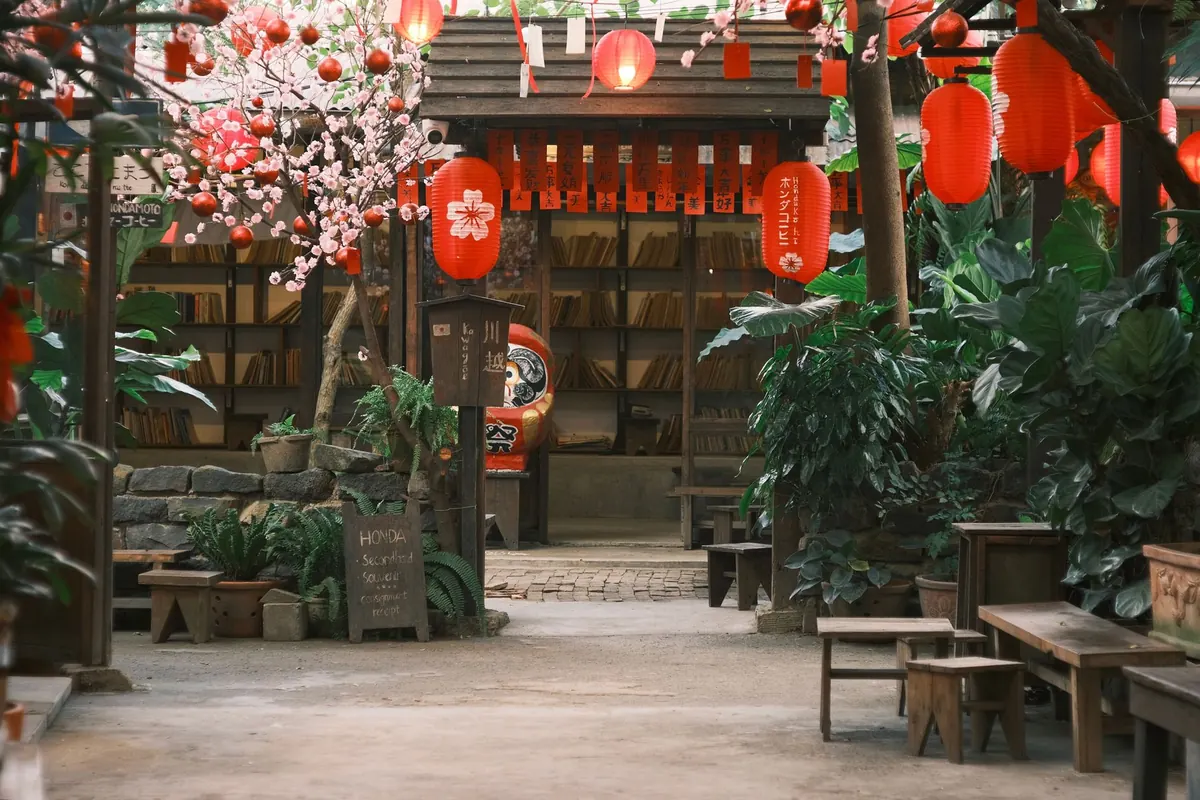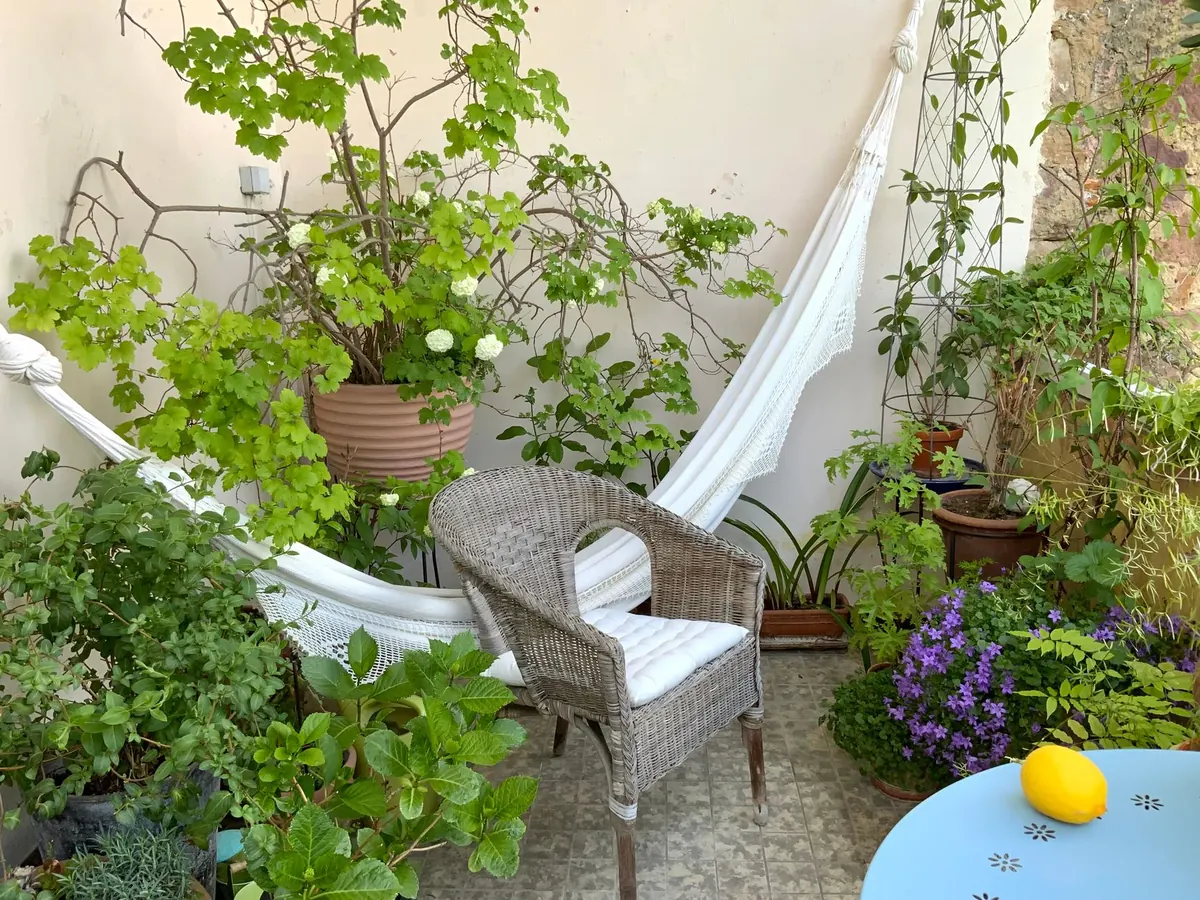
North-facing balconies and patios that sit in the shade for most of the day can feel like the awkward corner of the garden. The good news is that many plants actively prefer those conditions. The trick is to work with the light you have, choose varieties that tolerate low light and wind, and treat containers as small, controllable growing spaces. You do not need a sun-drenched terrace to have colour, scent and structure outside a window or back door.
First, read the light and shelter
Before buying anything, spend a day or two noticing how the space behaves. A north-facing balcony often receives bright, indirect light, with perhaps a slice of early morning or late evening sun at one end. A shady patio may be different: dry shade under a tree, damp shade against a wall, or a rain-shadow area under an overhang. These differences matter more than the compass point alone.
Check a few things:
- How many hours of direct sun, if any, reach the pots?
- Is the wall pale enough to bounce light back?
- Does wind funnel through the balcony?
- Does rain reach the pots, or does the wall or roof keep them dry?
- Where does water collect after heavy rain?
Write down what you find. A north-facing balcony that is bright but wind-swept needs different planting from a still, damp patio. Group pots together to create humidity and shelter, and use light-coloured containers to lift the gloom. Pale grey, cream or terracotta pots reflect more light than black plastic.
Reliable plants for north-facing balconies
Structure comes first. Evergreens give the space shape in winter, when flowers are scarce. Good container subjects include box, yew, skimmia, sarcococca (sweet box), fatsia, mahonia and smaller hebes. Ferns are excellent: hart's tongue fern, male fern and soft shield fern all cope with shade and look good for months. Hostas, heucheras, tiarella and bergenia add foliage colour and texture. For flowers, look at fuchsias, begonias, impatiens, lobelia and hardy cyclamen. Spring bulbs such as snowdrops and daffodils can be planted in layers beneath them.
If you want flowers in deep shade
Not many plants flower freely in heavy shade, but some do. Begonias and impatiens are reliable in containers and will bloom through summer if kept moist. Fuchsias are hardier than many people expect and flower well in light shade. Hardy cyclamen gives autumn and winter colour, while hellebores bring early spring flowers. Avoid sun-lovers such as lavender, rosemary, pelargoniums and most herbs from the Mediterranean, which will sulk, stretch and fail.
Plants that earn their keep on shady patios
On a patio, you can use larger pots and create a miniature border. Japanese anemones, epimediums and hostas are good for dappled shade. Fatsia, camellia, skimmia, sarcococca and mahonia work as evergreen anchors; camellia and skimmia prefer an ericaceous compost. Climbing hydrangea and ivy will green a north wall, though they need support and regular trimming. If the patio is damp, hydrangeas will enjoy the moisture, but they still need drainage.
Herbs are possible in shade, just choose the right ones. Mint, parsley, chives, chervil and sweet cicely tolerate lower light. Keep mint in its own pot, because it spreads. Salad leaves such as lettuce and rocket can be grown in shallow containers in light shade, especially in summer, when they bolt less quickly than in full sun.
Potting up: compost, drainage and weight
Good containers start with good drainage. Use these steps:
- Choose a pot with drainage holes, ideally 30 cm or wider for shrubs and ferns.
- Add a layer of broken crocks or large gravel at the base if the pot has a single hole.
- Fill with peat-free multi-purpose compost for annuals, ferns and hostas. For shrubs, use a soil-based compost such as John Innes No. 2 or 3.
- Mix in slow-release fertiliser and a handful of grit for weight and drainage.
- Plant at the same depth as in the original pot, firm gently and water well.
- Leave a 2–3 cm gap below the rim for watering.
Weight matters on balconies. Large pots filled with compost and water are heavy, so check what your balcony can safely hold and move pots before they are planted. Raise pots on feet to stop waterlogging and to protect the surface below. In wet, shady corners, skip the saucer or empty it after rain.
Watering, feeding and seasonal care
Shade does not mean no water. Containers in shade can still dry out, especially under an overhang or against a warm wall. Check the top 2–3 cm of compost with your finger. If it is dry, water thoroughly until it runs out of the drainage holes. If it is soggy, wait. In winter, water much less; most container plants hate sitting wet and cold.
Feed during the growing season. A liquid tomato feed every two weeks suits flowering plants; leafy ferns and hostas need less. Deadhead fuchsias, begonias and cyclamen to keep flowers coming. Watch for slugs and snails, which love damp shade, and for vine weevil grubs in pots. A gravel mulch around the crown of hostas helps. In autumn, remove fallen leaves from pots and check drainage holes are clear. Tender plants such as begonias and impatiens should be brought under cover or treated as seasonal.
Three container recipes to copy
Try a simple evergreen pot: skimmia, hart's tongue fern and trailing ivy. It looks good all year and needs little more than water and an occasional feed.
For summer colour, plant a begonia, trailing lobelia and a small fuchsia in a 35 cm pot. Keep it moist and deadhead weekly.
For a scented corner, use sarcococca with snowdrops underneath and a few clumps of sweet violet. The scent will carry on still winter days when little else is happening.
Start small and watch what works
Begin with three pots rather than thirty. Put them where you can see them from indoors, and move them if they look unhappy. After a season, you will know which corners are bright, which are dry and which stay damp. That knowledge is worth more than any plant list. Choose tough, shade-tolerant plants, water with care, and a north-facing balcony or shady patio can become one of the most peaceful spots in the garden.
Photo: Lydia Griva / Pexels