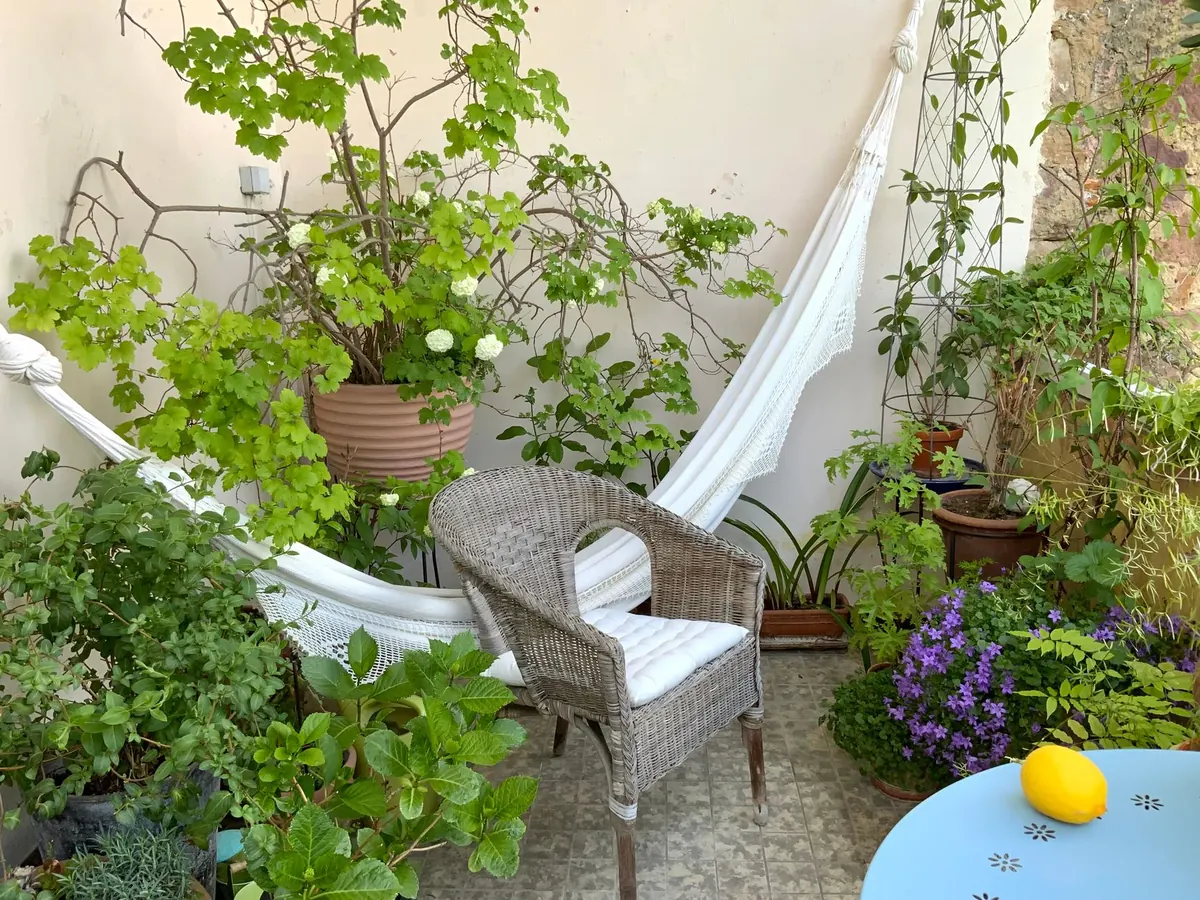
Compact plots are unforgiving in a way that larger ones are not. In a garden of four metres by six, every decision shows: a shed in the wrong corner, three different paving materials, a border that has quietly filled with whatever was left at the garden centre in May. Get the bones right, though, and small spaces become the most satisfying to sit in — enclosed, manageable and quick to change.
Work through the points below roughly in order. Zoning and sightlines come first because they are hard to alter later. Planting comes last, because it is the easiest thing to adjust.
Start With Zones, Not Plants
Before you buy anything, decide how many jobs the garden has to do. For most UK plots that means two or three: somewhere to eat, somewhere to sit with a mug of tea, and somewhere to grow things. Four zones in a small garden means four cramped versions of nothing.
Draw the plot to scale on graph paper — one square to half a metre is plenty — and mark the things you cannot move or ignore:
- the back door and the route you actually take from it
- where sun falls at 11am, 3pm and 7pm in midsummer
- what you see from the kitchen window, since that view does most of the work
- the wet corner, the shady wall, the drain cover you keep forgetting about
Give the majority of the space to the two zones you will use daily, and let the growing area take whatever is left at the edges. A dining table needs about two metres by two metres to work comfortably; a bench needs less, but it needs somewhere to put a drink down. Keep a clear route of at least 60cm between zones, and nearer 90cm where you carry trays or a mower through.
Use the Vertical Plane
Fences, walls and the side of a shed are the only square metres you get for free. Plant climbers in the ground at the base of a fence rather than in small pots along it — they establish faster, need less watering and cover more height each year. Aim for one evergreen for winter structure, one long-flowering climber and something scented beside the door.
Wall-mounted planters and troughs work well for herbs and trailing plants, but they dry out quickly. Line them, group them together so they shade one another, and expect to water daily in a warm spell. If the fence is not yours, ask before screwing trellis into it; a planter with its own built-in frame sidesteps the conversation entirely.
One caution: a tall evergreen screen will shade your own borders as well as your neighbour's windows. If a hedge is evergreen and over two metres, there are rules about light, so check with your local council before planting one.
Storage That Disappears
Small gardens fail on clutter, not on design. Every practical item needs a home that is either hidden or doing a second job.
- Seating: a bench or built-in box with a lift-up lid swallows cushions, tools and children's toys.
- Bins: a slatted screen that lifts off, or a bin store with a living roof, keeps wheelie bins out of sight.
- The shed: push it to a side boundary or behind planting rather than at the end of the view. Tall and shallow beats wide and deep in a narrow plot.
- Water and waste: a water butt tucked behind the shed, a compost bin in the working corner, never in the sitting area.
Hooks, brackets and a shelf inside the shed door will do more for tidiness than any amount of rearranging.
Protect Your Sightlines
Stand at your back door. The longest diagonal line across the garden is the one your eye follows, and it should end on something worth looking at: a decent pot, a small tree, a bench against a warm wall. It should not end on a shed, a bin or the trampoline.
Resist the urge to curve paths in a narrow plot. Sweeping curves eat usable space and leave awkward slivers of border. A straight path with a slight taper, or one that runs at an angle to the house, usually reads better and is easier to lay.
Height at the far end creates depth, and a mirror can suggest another room beyond — but keep mirrors low, angled and reflecting something worth seeing, and be aware they can confuse birds.
Surfaces, Levels and Planting
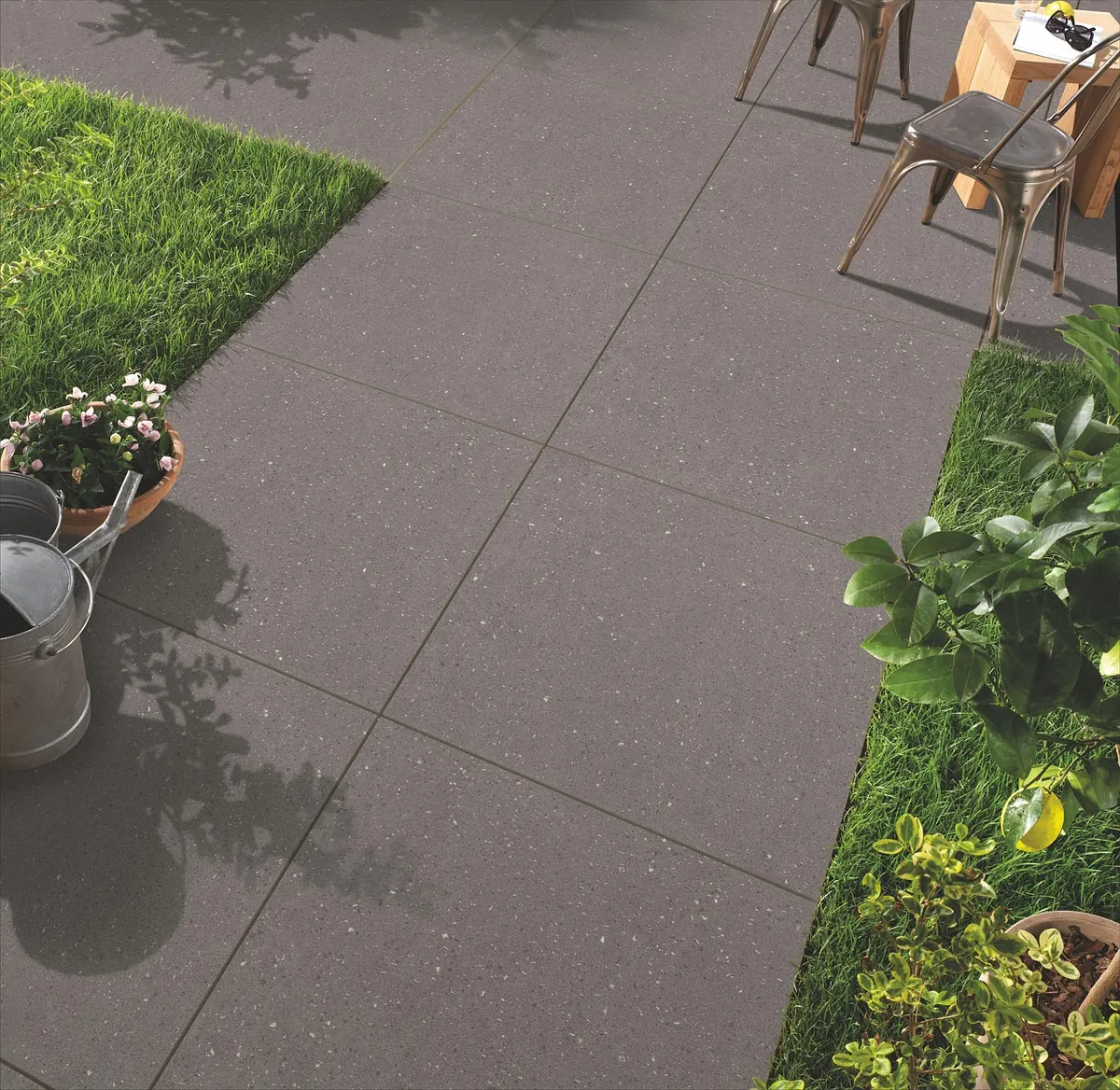
Choose one paving material and one colour. Large units mean fewer joints, and fewer joints make a small space look calmer and wider. A patchwork of gravel, decking and slabs chops the garden into small pieces.
Levels add interest if they are used once. A single raised bed at about 45cm doubles as a seat and a ledge for pots, and it saves your back. Decking can extend the indoor space outwards, though it needs air beneath it and a non-slip finish in a damp climate.
For planting, repeat: three or four plants used again and again will hold a small garden together far better than a collection of one-offs. Include something evergreen for winter, something tall and narrow for vertical interest, and bulbs for the weeks when little else is happening. Fewer, larger pots always look better than a row of small ones, and they hold moisture for longer.
The 12-Point Checklist
- Decide on two or three zones and sketch them to scale.
- Keep a clear 60cm to 90cm route from the back door.
- Put the seating where the afternoon sun lands.
- Choose one paving material and stick to it.
- Keep the longest diagonal view clear.
- Put something worth looking at in the far corner.
- Move the shed, bins and compost to the sides or behind planting.
- Plant climbers in the soil at the base of fences.
- Add one evergreen for structure and repeat three plants.
- Buy seating with storage underneath.
- Use fewer, larger pots.
- Raise one bed to 45cm so it works as a seat or ledge.
Where to Start This Weekend
Measure the garden, sketch it and mark the sunniest spot. Put a chair there and sit in it for an hour before spending anything — it is surprising how often the obvious place is not the right one. Then do the reversible things first: move furniture, clear the clutter, empty the shed and see what space appears.
For anything permanent, check before you build. Sheds, pergolas, raised levels and boundary structures can fall under permitted development, but rights vary and change, so confirm with your local planning authority. If a fence is shared or belongs to a neighbour, talk to them before fixing anything to it, and bring in a qualified tradesperson for structural, drainage or electrical work rather than guessing.
Do the zoning, then the storage, then the sightlines, and leave the planting until last. That order is what turns a cramped plot into somewhere you actually want to spend a Saturday afternoon.
Photo: sranson / Pixabay